

Lummis Pushes the CLARITY Act as the Fix for a Crypto Coder's Worst Nightmare
- Gator

- 19 hours ago
- 2 min read
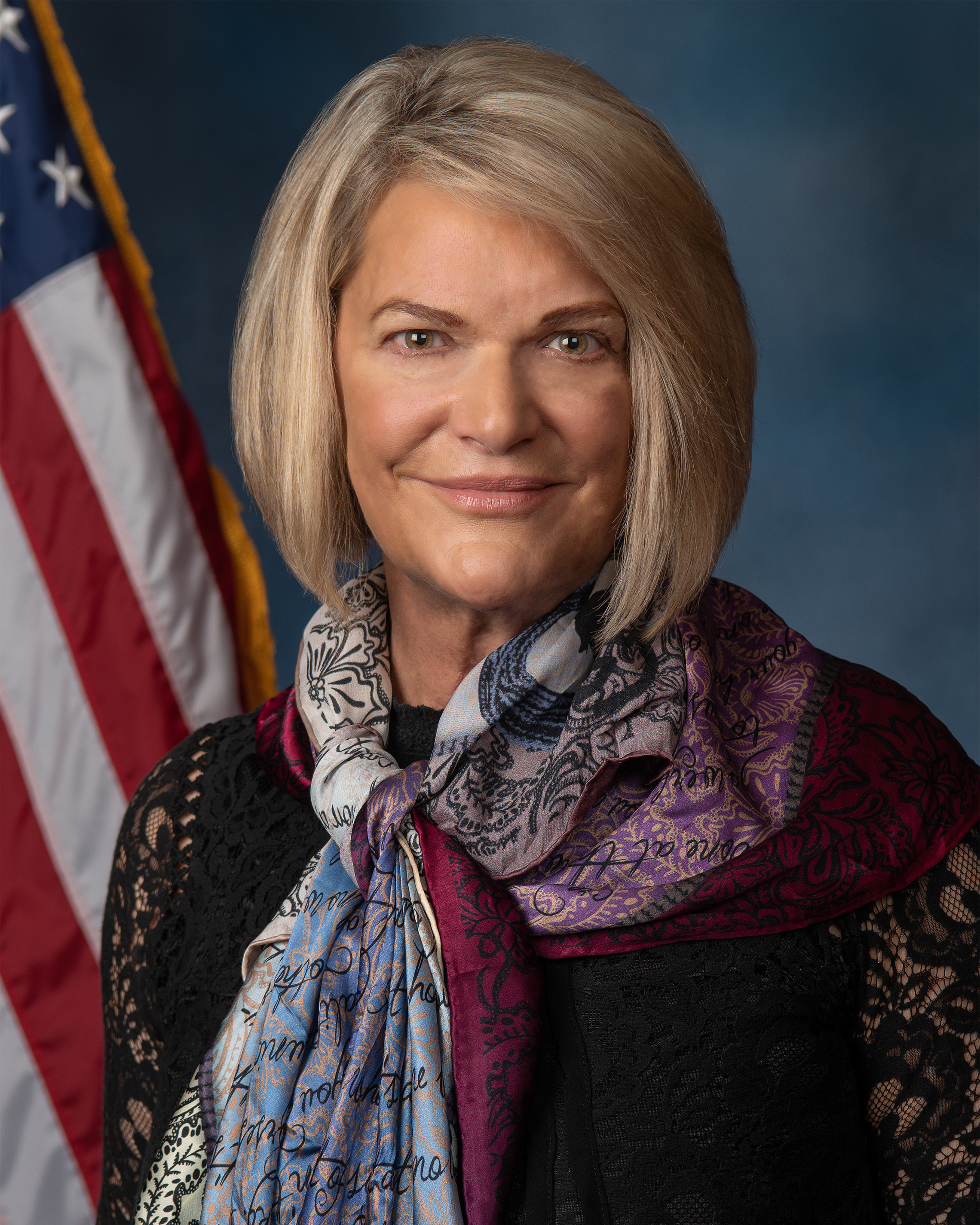
Senator Cynthia Lummis put the argument bluntly on X: software developers shouldn't need an army of lawyers to find out whether their code is legal, and the CLARITY Act, she says, ends that absurdity. Behind the one-liner is a fight over whether writing open-source code can land you in prison.
The Case That Sparked It
The flashpoint is Roman Storm, a co-founder of Tornado Cash, the open-source Ethereum privacy protocol. On August 6, 2025, after a four-week trial, a jury found Storm guilty of conspiracy to operate an unlicensed money transmitting business — a charge that carries up to five years. The same jury deadlocked on the two heavier counts, conspiracy to commit money laundering and conspiracy to violate sanctions, and couldn't reach a verdict on either.
The conviction turned on a contested question that still isn't fully settled: can the person who writes and deploys self-executing code be held criminally liable for what strangers later do with it? Tornado Cash breaks the link between senders and receivers to add privacy, and once it was deployed, neither the protocol nor its creators ever took custody of anyone's funds. Storm's defense argued that punishing him anyway sets a dangerous precedent for every developer.
What the Bill Actually Does
The Digital Asset Market Clarity Act has already cleared two big hurdles. It passed the House in July 2025 on a 294-134 bipartisan vote, and the Senate Banking Committee advanced it 15-9 in May 2026. It now sits on the Senate Legislative Calendar waiting for a floor vote.
The piece Lummis is pointing to is Section 604, lifted from the Blockchain Regulatory Certainty Act. It codifies a principle FinCEN already laid out in 2019 guidance: developers and infrastructure providers who never take custody or control of user funds are not money transmitters under federal law. Writing open-source software, running a node, or validating transactions wouldn't trigger Bank Secrecy Act obligations.
Why It Matters
Tornado Cash wasn't a one-off. The SEC hit Uniswap Labs with a Wells Notice in 2024, alleging the developer of the largest decentralized exchange was an unregistered broker-dealer, and the CFTC went after the Ooki DAO contributors, arguing that taking part in open-source governance made individuals personally liable. That pattern is exactly what the industry wants shut down.
The pressure is organized. More than 60 CEOs and founders — including executives from Coinbase, Uniswap, Kraken, a16z crypto, and Paradigm — signed a June letter to Senate leadership demanding the full Senate pass the bill with the developer protections intact, calling Section 604 a non-negotiable condition of their support. The floor vote is now the whole ballgame.
☕₿


Comments