

Miners Are Bleeding: JPMorgan Says It Now Costs $78K to Mine a Bitcoin Trading at $62K
- Gator

- 3 hours ago
- 2 min read
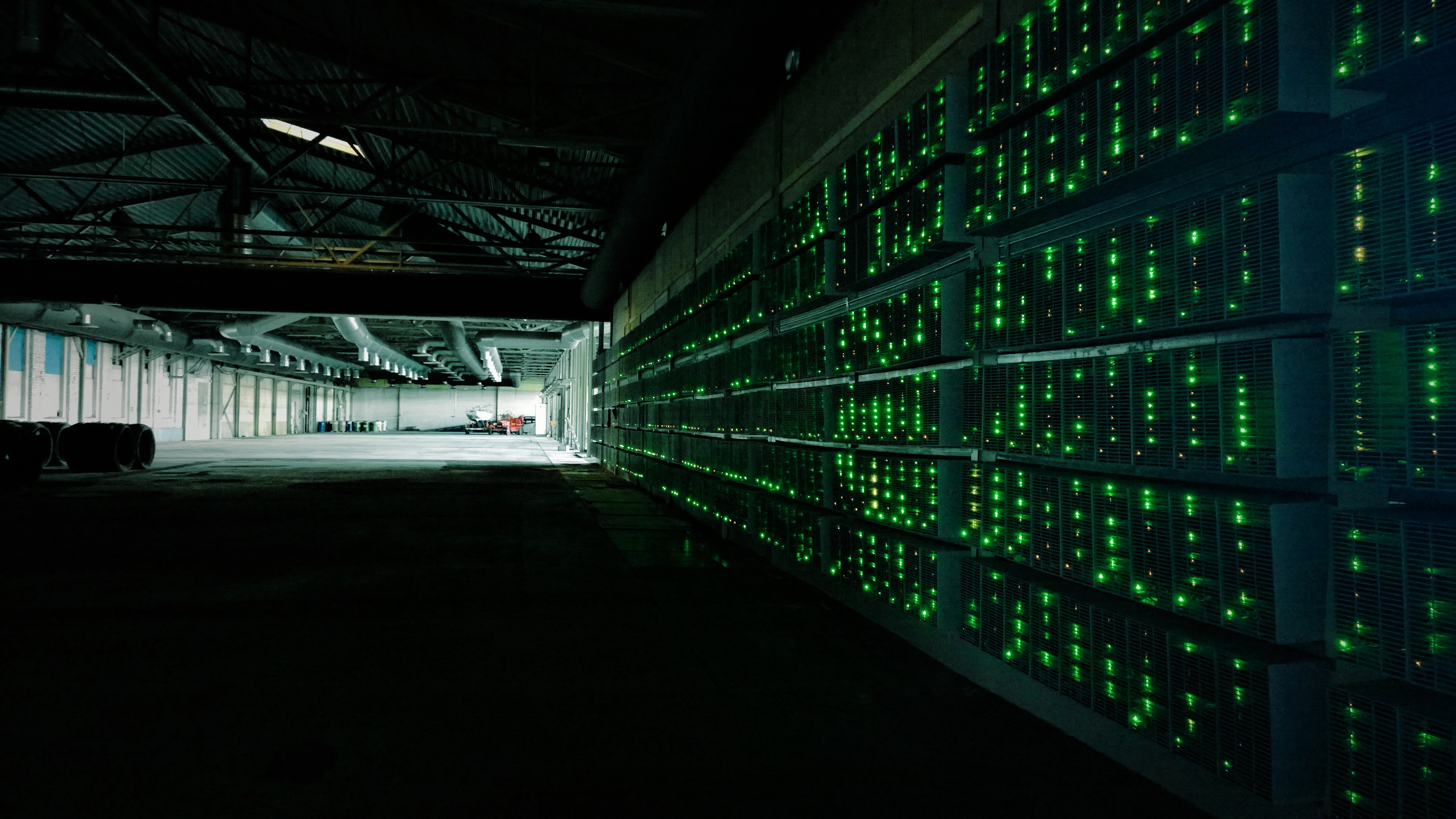
It now costs more to mine a Bitcoin than a Bitcoin is worth. JPMorgan estimates the all-in production cost for the average public miner has climbed to roughly $78,000 per coin, while BTC is changing hands near $62,500 — a gap the bank says has left mining economics meaningfully "worsened."
What Happened
In a new note, JPMorgan's analysts laid out a brutal stretch for the people who actually secure the network. Production cost — the blended figure covering electricity, hardware depreciation, and overhead — sits around $78,000, but the coin those rigs produce has traded below that line for about five straight months. When the thing you manufacture sells for less than it costs to make, the math stops working fast.
The strain is showing up directly in the network. Bitcoin's hashrate fell roughly 12% in June, per Galaxy Research, and mining difficulty dropped about 10% in the second week of the month — the second drawdown of that size already this year. Difficulty falling is the network's release valve: when unprofitable machines power down, the remaining miners get a bit more breathing room. It also tells you a lot of rigs have gone dark.
The Damage So Far
CoinShares' Q1 report flagged that around 20% of the global mining industry is operating in the red. To keep the lights on, the publicly traded miners have been selling the one asset they're built to accumulate. MARA, CleanSpark, Riot Platforms, Cango, Core Scientific, and Bitdeer offloaded a combined ~32,000 BTC in the first quarter of 2026 alone — more than those same companies sold in all of 2025 put together. That's not a treasury strategy; that's paying rent.
Hashprice — mining revenue per unit of computing power — has compressed to roughly $33 per petahash per second per day, leaving a large slice of operators camped right on the break-even line. At those levels, every small move in BTC's price swings whole fleets between profit and loss.
Why It Matters
Miners selling to cover costs adds steady sell pressure at exactly the moment the market is already shaky. But the longer view cuts the other way. Production cost has historically acted like a soft floor for Bitcoin — capitulation, difficulty resets, and machines switching off have a way of clearing out weak hands before the next leg up. The hashrate sliding now is the network repricing itself in real time.
The question for the back half of 2026 is whether BTC climbs back above the cost line or whether more miners are forced to capitulate first. Either way, the people running the rigs are telling you in hard numbers that current prices are stretching the model to its limit.
☕₿


Comments