

The Guns Go Quiet Over Hormuz And Wall Street Floods Back In — But Bitcoin's Still Limping
- Gator

- 6 hours ago
- 3 min read
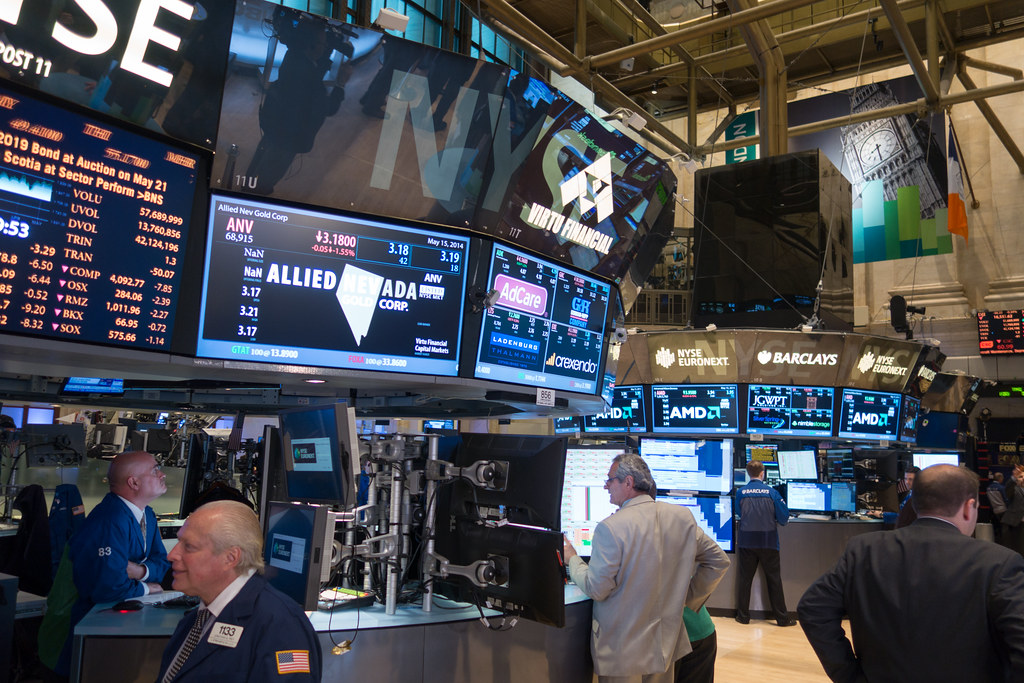
The single biggest driver of every screen on every trader's desk this weekend wasn't a Fed leak or an ETF flow report. It was a ceasefire. A senior US official confirmed Sunday that Washington and Tehran have agreed to stop trading strikes and will sit down Tuesday in Doha to hash out the dispute over the Strait of Hormuz that has rattled energy markets all month. The instant the headline crossed, risk appetite came charging back.
The cleanest read on that mood swing came out of equities: nearly 60% of the stocks in the S&P 500 now carry a Buy rating from Wall Street analysts, the highest share on record. After weeks of traders flinching at every Middle East push alert, the de-escalation flipped sentiment from defensive to greedy almost overnight.
What Happened
The truce is fresh and fragile. It is barely a week and a half old, it has already survived one round of renewed attacks, and President Trump has publicly floated restarting the campaign to 'complete the job' if talks stall. Nobody is calling this peace. But for a market that spent June pricing in the worst-case Hormuz scenario — a closed strait, an oil spike, a global growth scare — even a shaky handshake is enough to unclench. Oil eased, equity futures firmed, and analyst desks that had been hedging their language suddenly rediscovered their conviction.
That record 60% Buy-rating figure is the tell. It is the kind of number that shows up when fear drains out of a market fast. It is also, worth noting, the kind of number that makes contrarians nervous — Bank of America's closely watched Sell Side Indicator has been creeping toward a contrarian sell signal, sitting at its highest level since early 2025. Euphoria and exhaustion can look identical on a chart.
Why It Matters For Crypto
Here's the part C&C readers actually care about: Bitcoin and the rest of the digital-asset complex have spent this entire June trading as pure macro risk assets, not as some uncorrelated hedge. The same forces that crushed crypto — sticky inflation, a Fed openly talking about hiking, and geopolitical dread — are the exact forces a Hormuz ceasefire starts to unwind. Bitcoin is down roughly 50% from its all-time high, just cracked below $60,000 to a 20-month low, and spot BTC ETFs have bled through one of their worst outflow streaks on record, nearly $3 billion drained over ten sessions.
If equities are the first thing institutions buy back when the geopolitical fever breaks, crypto is usually the high-beta chaser that moves second and harder. A genuine de-escalation removes one of the three big weights sitting on Bitcoin's chest. It does not remove the Fed, and it does not magically reverse the ETF exodus — but it changes the story from 'everything is a sell' to 'maybe the worst is priced in.'
What's Next
Tuesday's Doha meeting is the whole ballgame. A constructive outcome and a holding ceasefire would hand risk assets a clean runway into July, and crypto would be watching for whether those record ETF outflows finally flip back to inflows. A breakdown — and given the past week, that's very much live — would yank the rug out from under this risk-on bounce just as fast as it appeared. For now the guns are quiet, Wall Street is greedy again, and Bitcoin is sitting at the back of the room waiting to see if the optimism is real or just a held breath.
☕₿


Comments